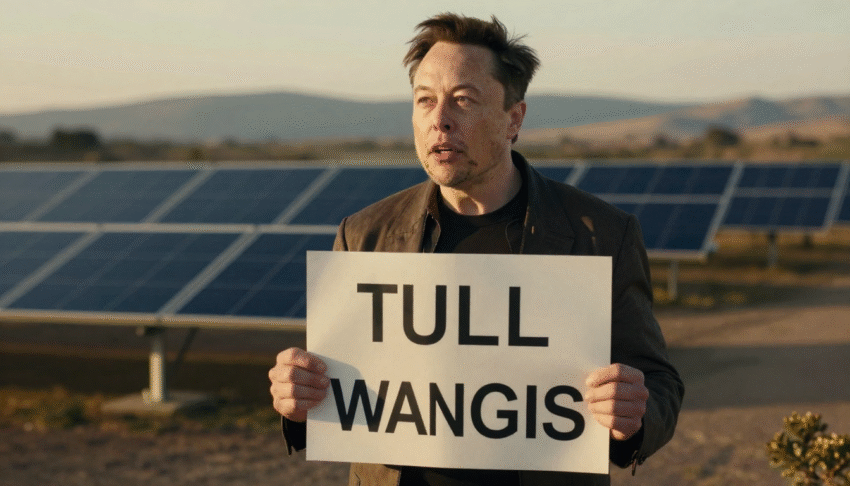
Elon Musk solar energy warning has generated massive global interest. Many people view him as a visionary who pushes humanity toward sustainable power. However, when he issues a caution, energy researchers, governments, and everyday citizens listen closely. This topic challenges assumptions, sparks debate, and encourages critical thinking about the future of energy resources.
Humanity stands at a turning point in power generation. Renewable sources rise rapidly while fossil fuels decline. Yet Musk suggests unseen risks and major obstacles. Understanding this warning helps individuals and industries prepare for energy shifts. Moreover, this insight helps homes, schools, and tech investors make wiser decisions.
Governments invest in solar farms worldwide. Companies push new battery storage systems. Consumers install rooftop panels to reduce grid reliance. Musk’s warning, however, reminds everyone that solar expansion is not challenge-free. Instead, careful planning, smarter storage, and grid updates are required.
Understanding the Elon Musk Solar Energy Warning
Many assume solar energy growth solves everything. Musk warns that clean energy adoption alone cannot stabilize global power needs. Instead, inconsistent generation during night and cloudy conditions creates reliability gaps. Energy storage becomes the solution yet remains expensive, resource-heavy, and technologically limited today.
Moreover, large-scale solar grids require rare minerals. Mining creates environmental strain. Supply shortages could disrupt manufacturing. elon musk solar energy warning highlights that innovation must increase efficiency, not only production capacity. Furthermore, energy grids must modernize so stored power flows without overload or blackout risk.
Musk’s statements do not oppose solar technology. Instead, they urge smarter implementation. With rising global population, energy consumption grows quickly. Thus, reliance on a single renewable form may create vulnerabilities. A balanced power mix with wind, hydro, and nuclear strengthens long-term stability.
Why Solar Energy Alone is Not Enough
Solar panels require sunlight. During storms and winter months, generation drops sharply. Batteries fill gaps yet degrade over time. Additionally, manufacturing demands large land areas for solar fields. Rapid growth could strain agriculture regions or wildlife habitats.
Although solar cuts carbon emissions, transition planning matters. Musk insists future infrastructure must include energy-dense battery designs. Smart grids balance fluctuating supply. Recycling must improve to recover lithium, cobalt, nickel, and silicon without environmental harm.
Energy Storage: Central Focus of Musk’s Warning
Battery storage drives solar success. However, today’s storage systems struggle with long-duration capacity. Overnight or seasonal shortages require multi-day resilience. Musk warns that grid-level battery banks remain insufficient for global adoption.
Advancements in solid-state batteries, hydrogen storage, and scalable power banks excite researchers. Yet development costs run high. Governments need incentives. Industries must innovate manufacturing processes. Meanwhile, responsible mining keeps ecosystems safe.
Global Energy Demand Is Growing Fast
Technological lifestyles require constant power. Urban growth increases grid strain. Electric vehicles multiply charging load. Musk emphasizes that solar must scale faster but more efficiently. Energy losses during transmission reduce delivery accuracy.
Moreover, developing nations need affordable solutions. Solar appears ideal but requires backup systems. Without balance, blackouts increase. Musk’s warning steers global planning toward energy diversity instead of dependence on one source.
Climate Change Intensifies the Need for Reliable Renewable Power
Extreme heat waves and storms disrupt sunlight patterns. Solar arrays risk structural damage. Musk stresses that renewable expansion should include durability engineering. Improved panel coatings and hurricane-resistant mounts protect infrastructure.
Additionally, real-time monitoring systems diagnose faults instantly. Artificial intelligence predicts weather impact and preserves power flow. Stronger engineering reduces repair cost and boosts reliability.
Economic Impact of Ignoring Musk’s Warning
Solar sector growth generates jobs. Yet over-reliance creates vulnerability. Market fluctuations may impact panel prices, causing slowdowns. Musk points out that balanced planning reduces future financial risk.
Investors benefit from diversified renewable portfolios. Nations gain stability by combining solar with geothermal, nuclear, or hydroelectric systems. Economic resilience depends on smart distribution rather than single-source dependence.
How AI Integration Strengthens Solar Technology
Artificial intelligence plays a key role in resolving Musk’s concerns. Smart forecasting improves output estimates. AI-controlled grids switch between stored and active power seamlessly. Energy wastage falls dramatically with optimization models.
Machine learning identifies manufacturing flaws early. Predictive maintenance reduces downtime. As solar grows, AI ensures stability rather than chaos. Musk’s warning encourages innovation instead of fear.
Solar Energy Future and Industry Adaptation
Manufacturers already shift toward recyclable materials. Research aims for panels with longer lifespan. Global push for near-zero-loss inverters strengthens solar efficiency. Musk predicts rapid breakthroughs if engineers prioritize durability and storage.
Public adoption increases faster when prices fall. Policy attracts innovation by funding labs and startups. Global cooperation accelerates progress.
Can Musk’s Warning Slow Solar Growth
Some worry his caution may discourage progress. Yet informed awareness builds stronger systems. Solar energy remains essential for reducing emissions. Musk’s warning improves planning rather than halting momentum.
Communities benefit from rooftop systems paired with home batteries. Industries install backup microgrids for stability. As knowledge spreads, implementation becomes smarter.
How Consumers Should Respond to the Warning
Households should explore energy storage options when adopting panels. Smart inverters and hybrid systems protect against outages. Moreover, maintenance extends panel performance over decades.
Cost analysis prevents expensive mistakes. Location, climate, and shading affect installation value. Consulting local experts ensures optimized power generation.
Industry Solutions to Musk’s Storage Concerns
Companies develop ultra-capacitors for rapid energy discharge. Engineers experiment with sodium-ion batteries as lithium alternatives. Hydrogen cells store excess power during high-sunlight periods.
Grid-scale storage will reduce blackout probability. Nations planning renewable infrastructure must include such advancements. Smart diversification solves long-term vulnerabilities.
Innovation Driven by Elon Musk Solar Energy Warning
Warnings spark invention. Research accelerates when challenges rise. Solar energy future depends on fearless creativity. Musk believes humanity must innovate boldly rather than settle for existing tools.
New solar materials harvest power even in low-light. Transparent panels on windows add space-efficient generation. Such progress transforms cities into power-producing ecosystems.
Balancing Solar Energy With Other Renewables
Wind power complements solar by producing nighttime energy. Hydroelectric offers consistent flow. Geothermal delivers round-the-clock baseload power. Musk highlights that mixed-resource grids remain strongest.
Balanced renewable frameworks reduce risk. Energy diversity prepares nations for unpredictable climate patterns. Smart planning ensures power availability regardless of weather.
Environmental Risks Associated With Rapid Solar Expansion
Musk warns that solar mining and panel waste could create ecological damage. Recycling reduces landfill strain. Using sustainable extraction methods minimizes ecosystem harm.
Responsible expansion requires strict environmental standards. Solar farms must avoid wildlife corridors. Urban rooftop installations reduce land footprint significantly.
How Solar Energy Fits Into a Sustainable Future
Solar becomes foundation rather than final solution. Combined with storage innovation, AI management, and hybrid systems, solar power drives global transformation. Musk’s message encourages progress through awareness, balance, and resilience.
Future communities thrive when solar is integrated wisely. Smart grids, recycling, and diverse renewables ensure stability for generations.
Conclusion
Elon Musk solar energy warning is not a barrier. Instead, it is a blueprint for smarter adoption. People, governments, and innovators must build strong storage systems, diversify renewables, and improve grid technology. Take action by supporting smart solar programs, investing in cleaner technology, and adopting responsible renewable solutions for a stronger future.
FAQs
1. What does the Elon Musk solar energy warning mean?
It highlights the need for better storage, recycling, and grid management rather than blind reliance on solar alone.
2. Does Musk think solar energy is bad?
No, he supports solar energy but stresses balanced planning for long-term stability.
3. Why is energy storage important?
Storage ensures power supply during night, storms, or low-sunlight periods.
4. Can solar energy meet global demand alone?
Not yet. Combined renewable systems deliver stronger reliability.
5. How can consumers respond to the warning?
Install panels with storage, maintain equipment, and support smart renewable policies.