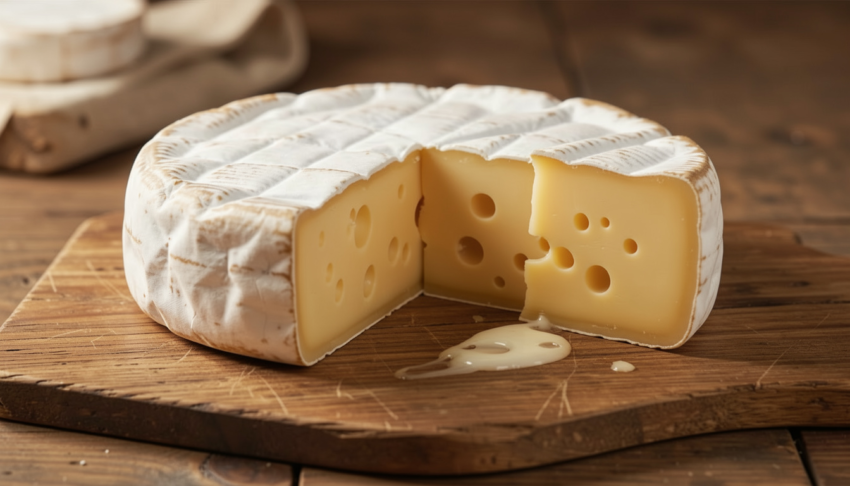
French cheese is more than food—it’s a cultural treasure. France has over 1,200 varieties of cheese, each with a unique flavor, texture, and history. From creamy brie to tangy roquefort, French cheese is enjoyed worldwide. Many cheeses reflect the region where they are made, capturing local traditions and natural ingredients. Whether you’re a cheese lover or a beginner, exploring French cheese can be both fun and tasty. This guide will introduce you to the most popular varieties, their origins, and how to enjoy them.
French cheese isn’t just about taste; it’s about experience. Pairing it with wine, bread, or fruit can create unforgettable meals. Learning about French cheese also connects you to centuries of history and culinary expertise. In this article, we’ll cover everything you need to know—from famous cheeses to serving tips—so you can enjoy authentic French cheese like a pro.
Types of French Cheese
French cheese comes in many forms: soft, hard, blue, or fresh. Each type has its own taste and texture. Soft cheeses like Camembert and Brie are creamy and mild. Hard cheeses, like Comté or Gruyère, are firm with rich, nutty flavors. Blue cheeses, such as Roquefort, are strong, tangy, and perfect for adventurous palates. Fresh cheeses like Chèvre (goat cheese) are light and mild, often used in salads or desserts. Understanding the types helps you choose the right cheese for every meal or occasion.
Brie: The Queen of Soft Cheese
Brie is one of the most famous French cheeses. It has a creamy interior and soft, edible rind. Originating from the Île-de-France region, Brie is mild yet flavorful. It pairs beautifully with fruit, crackers, and white wine. Eating Brie at room temperature enhances its creamy texture and rich taste. Some varieties, like Brie de Meaux, are considered gourmet treasures. Brie is perfect for cheese boards, sandwiches, or even baked dishes.
Camembert: A Rustic Favorite
Camembert comes from Normandy and has a strong, earthy aroma. Its soft, creamy interior melts in your mouth. Traditionally, Camembert is enjoyed with baguettes or apples. The cheese has a white, bloomy rind that is completely edible. Camembert is famous for its rich taste that can be mild or slightly pungent, depending on aging. This cheese is perfect for casual dinners or fancy cheese plates.
Roquefort: The Iconic Blue Cheese
Roquefort is one of the oldest French cheeses, made from sheep’s milk. It has a distinctive blue-veined texture and tangy flavor. Originating from the south of France, it’s aged in limestone caves, giving it a unique aroma. Roquefort pairs well with nuts, honey, or full-bodied wines. It is loved by those who enjoy strong, bold flavors. This cheese is also famous for its creamy yet crumbly texture, ideal for salads and sauces.
Comté: A Nutty Hard Cheese
Comté is a hard cheese from the Jura region. It is aged for months, sometimes years, creating a rich, nutty flavor. Comté melts well, making it perfect for cooking, especially in French dishes like gratins or fondue. It is often served in slices with fruit or crusty bread. The cheese’s aroma and taste change as it ages, offering a variety of experiences. Comté is a staple for cheese enthusiasts seeking depth and complexity.
Chèvre: Fresh Goat Cheese
Chèvre is France’s famous goat cheese, often soft, tangy, and fresh. It comes in various shapes and sizes, from small logs to creamy spreads. Chèvre is versatile, perfect for salads, tarts, or cheese boards. It pairs beautifully with honey, herbs, or crisp wines. Its mild, fresh taste makes it approachable for beginners while still delighting connoisseurs. Many regions in France, like the Loire Valley, produce unique variations of Chèvre with local flavors.
How to Taste French Cheese
Tasting French cheese is an art. First, let the cheese reach room temperature. Then, observe its color and texture. Smell it to appreciate its aroma before tasting. Start with mild cheeses, like Brie or Chèvre, and move to stronger flavors, like Roquefort. Pairing with wine, fruit, or bread enhances the experience. Take small bites, allowing the cheese to melt in your mouth to enjoy its full complexity.
Pairing French Cheese with Wine
French cheese and wine are perfect companions. Soft cheeses like Brie or Camembert pair well with Chardonnay or Champagne. Hard cheeses like Comté go well with Sauvignon Blanc or Pinot Noir. Strong blue cheeses like Roquefort pair with sweet wines like Sauternes. Wine enhances the flavors of cheese, creating a balanced tasting experience. Experimenting with different combinations makes French cheese tasting even more enjoyable.
Storing French Cheese
Proper storage preserves the flavor and texture of French cheese. Soft cheeses should be kept in breathable paper, while hard cheeses can be wrapped in wax paper or plastic wrap. Store cheese in the fridge, but let it come to room temperature before serving. Blue cheeses need slightly colder storage, away from other foods. Avoid freezing French cheese, as it can ruin texture. Correct storage ensures every bite is as fresh and flavorful as intended.
Cooking with French Cheese
French cheese isn’t just for eating raw; it’s excellent for cooking. Melt Brie on bread, crumble Roquefort in salads, or use Comté for gratins and fondues. Chèvre adds creaminess to tarts or pasta. French cheese can transform any meal into a gourmet experience. Understanding the cheese’s melting properties and flavor profiles helps you use it creatively in your cooking. Experimenting in the kitchen allows you to enjoy French cheese in new and delicious ways.
Popular French Cheese Regions
Different regions in France have their own cheese specialties. Normandy is famous for Camembert, while Burgundy produces Époisses. The Loire Valley is known for Chèvre, and Roquefort comes from the south. Each region uses local ingredients and traditional methods. Exploring these cheeses gives insight into French culture, geography, and history. Tasting cheeses from various regions is like traveling across France, one bite at a time.
FAQs About French Cheese
1. What is the most famous French cheese?
Brie and Camembert are among the most famous, loved worldwide for their creamy texture.
2. Can French cheese be eaten raw?
Yes! Many French cheeses, like Brie or Chèvre, are best enjoyed raw at room temperature.
3. How should French cheese be stored?
Soft cheese: wrapped in paper. Hard cheese: wax paper or plastic wrap. Keep in fridge.
4. What wine pairs with French cheese?
Soft cheese: Chardonnay or Champagne. Hard cheese: Pinot Noir. Blue cheese: sweet wines like Sauternes.
5. Is French cheese healthy?
Moderately. It provides protein, calcium, and healthy fats but should be eaten in moderation.
6. Can I cook with French cheese?
Absolutely! Melt Brie, crumble Roquefort, or bake Comté to enhance dishes.
Conclusion
French cheese is a journey of flavor, tradition, and culture. From soft, creamy Brie to bold Roquefort, each cheese tells a story. Enjoying French cheese is about tasting, pairing, and sharing. Try different varieties, experiment with food and wine pairings, and explore the regions of France through cheese. Whether for cooking or a cheese board, French cheese adds a touch of gourmet delight to any occasion. Discover it, savor it, and share the experience with friends and family.