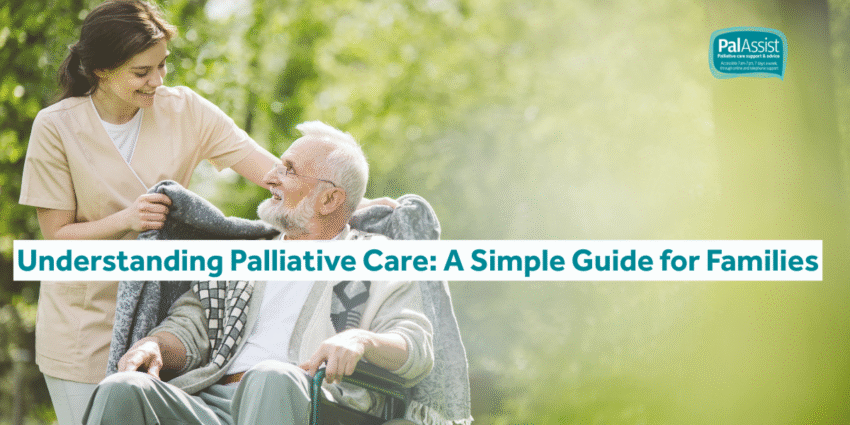
Home palliative care brings specialist medical support, symptom relief, and emotional care right into your own home when a family member has a life-limiting illness. You get coordinated help from health professionals while your loved one stays in familiar surroundings during end-of-life care.
We know how overwhelming this feels. You’re managing appointments, medications, and caregiving responsibilities while dealing with grief and exhaustion. Many families tell us they feel isolated and unsure about what support exists or how to access services that genuinely help.
That’s exactly why PalAssist has guided Queensland families through palliative care at home for many years. Based on that experience, we’ve created this guide to walk you through the essentials.
Here’s what we’ll cover:
- What happens during palliative care at home
- Your care team and their roles
- Home modifications that help
- The right time to begin services
- Free support through PalAssist’s program
Keep reading to understand how palliative care works in your own home.
What Home Palliative Care Means for Your Family
Palliative care at home means getting specialised medical support right in your own home when someone has a life-limiting illness. The focus stays on comfort and quality of life rather than curing the disease itself.

Now you might be wondering how this differs from regular home nursing.
Well, palliative care services address physical symptoms like pain and breathlessness, but they also provide emotional support and spiritual care. More than that, specialist palliative care services coordinate everything so your loved one gets consistent care from multiple health professionals.
The best part is that you can access these services at any stage after diagnosis, not only during the final stages of life.
Who Is on Your Home Palliative Care Team?
Your home palliative care team includes doctors, nurses, allied health professionals and support workers who work together.
Through supporting thousands of Queensland families, we’ve seen how coordinated care teams reduce hospital visits, manage symptoms faster, and give caregivers confidence in providing end-of-life care at home.
Let’s look at who you’ll work with and what each person handles:
Health Professionals Supporting You
When health professionals visit regularly, you get consistent support without the stress of constant hospital trips. For example:
- Registered Nurses: They provide hands-on nursing care, medication management, and symptom monitoring at home. Nurse practitioners can also prescribe medications and adjust care plans.
- Doctors: Your doctor coordinates overall medical care and makes home visits when needed for assessment and treatment. This means your loved one gets personalised attention without leaving home.
- Allied Healthcare Specialists: If your loved one needs a walker, a shower chair, or exercises to stay comfortable, physiotherapists and occupational therapists arrange it. These specialists help you with mobility, equipment, and daily physical activities.
What Family Caregivers Can Expect
Family caregivers receive hands-on education, regular respite breaks, and ongoing emotional support throughout the care journey. You’ll learn about:
- Illness progression and what changes to expect
- Symptoms to watch for
- Practical caregiving skills from experienced health professionals
What’s more, respite support gives you regular breaks to rest and recharge. There’s also counselling available because managing stress, grief, and the weight of caregiving responsibilities takes real emotional work.
You’ll also get bereavement support and self-care resources. Nobody expects you to handle everything alone.
How Your Care Plan Brings It All Together
Your care plan acts like a roadmap that keeps everyone on the same page about medications, tasks, and contacts. This written document outlines care needs, emergency contacts, and everyone’s responsibilities clearly. It gets updated regularly as needs change or new symptoms develop.
The plan ensures all team members and family caregivers stay informed and involved throughout your loved one’s care.
Setting Up Your Home for End-of-Life Care
We understand that preparing your home for palliative care feels overwhelming when you’re already managing so much emotionally and physically. But you know what? You don’t need major renovations or expensive changes.
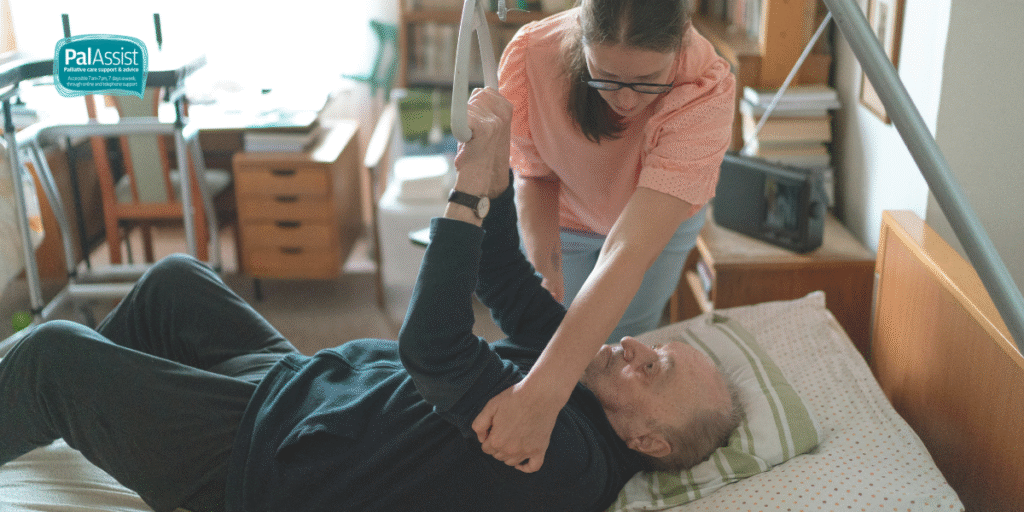
Do these simple adjustments instead:
- Minor Modifications: Even small changes like adding grab rails or rearranging furniture create safer spaces for daily personal care tasks.
- Remove Hazards: In your home, trip hazards include loose rugs, electrical cords and clutter in hallways. Try to clear these from pathways and add night lights for safer movement.
- Essential Equipment: Equipment like hospital beds, shower chairs or mobility aids supports comfort and independence for your loved one during end-of-life care.
- Organise Medications: Before health professionals arrive, organise medications in one accessible spot. It prevents mix-ups and helps with medication management during care visits.
These practical changes work best when you know the right time to begin services.
When to Start: Timing Your Care Plan
You can start home palliative care at any point after a life-limiting diagnosis.
Believe it or not, most families wait longer than they should because they’re unsure when the “right time” is. But waiting until the crisis point limits options and increases stress for the whole family.
Earlier access means better symptom management from the start and stronger relationships with your care team. You get guidance, reassurance, and a clear plan before problems escalate.
It also helps prevent burnout because you receive education and support from specialist palliative care providers before exhaustion sets in. This way, care feels more manageable, not overwhelming.
So the earlier you begin, the more time you have for another important step: advance care planning.
Advance Care Planning and Future Decisions
What happens if your loved one can’t communicate their wishes about medical treatment or end-of-life care? Well, doctors and family members must make difficult choices without knowing what the person truly wanted.
And that’s where these documents become genuinely valuable. Advance care planning documents what the person wants for medical treatments, interventions, and end-of-life preferences.
This includes decisions about:
- Resuscitation (restarting the heart if it stops)
- Hospital care or staying home for treatment
- Staying at home during the final stages
The reason these conversations count is because they reduce family stress during emergencies because everyone knows what decisions to make. Plus, you can update their preferences anytime as circumstances or values change.
Worth Noting: Talk with your doctor about starting this process early, and include family members and friends who’ll help with care decisions.
How PalAssist Supports Your Home Program
PalAssist gives Queensland families free access to trained nurses, counsellors and resources specifically designed for home palliative care situations. Our registered nurses have guided families through every stage of home palliative care, so we understand the challenges you’re facing right now.
Free phone and chat support from nurses who understand palliative care challenges means you get answers when questions arise at any hour. That’s why we’re available 7 days a week to support families managing end-of-life care at home.
Call us on 1800 772 273 (7 am to 7 pm) for guidance on family caregiving, symptom management or accessing aged care services.
We also support you through resources, information and referrals that connect you to practical services, equipment and aged care providers across Queensland.
Your Next Steps in Home Care
Palliative care at home gives your family the support, services and specialist care you need while your loved one stays comfortable at home during their final days. So you don’t have to manage everything alone.
Starting the conversation with your doctor about palliative care services is the first step. Ask about accessing the end-of-life pathway, what care needs your loved one has, and which providers can help.
The earlier you begin, the more benefits you’ll see in the quality of life for everyone.
Disclaimer
This blog provides general health and product information for educational purposes only. It is not intended to diagnose, treat, or replace advice from your healthcare professional. Always seek guidance from your GP, nurse, continence advisor, or pharmacist regarding your individual needs. If symptoms persist or you’re unsure about product use, consult a qualified healthcare provider.