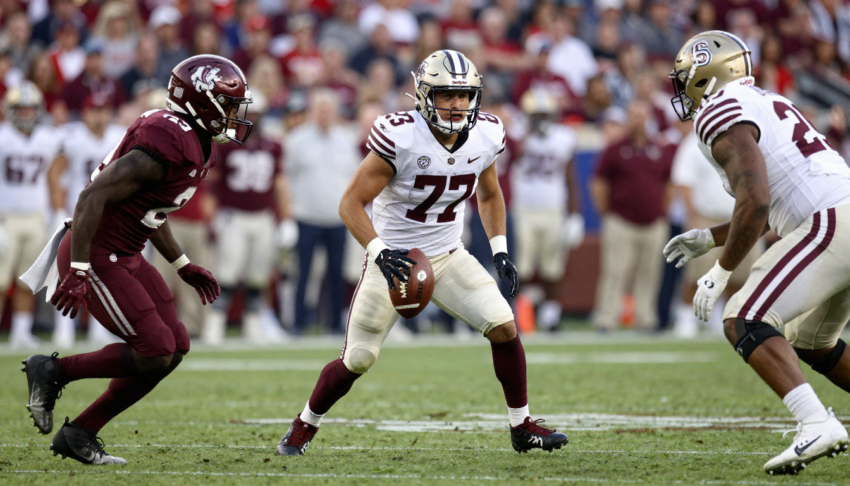
College football is one of America’s most exciting sports. But if you’re new to watching, you might ask: how long are college football games? Unlike professional football, college games have unique rules, clock management, and halftime shows that affect the total duration. On average, a college football game lasts about 3 to 3.5 hours, though it can vary based on overtime, penalties, or weather delays.
Whether you’re planning a watch party, heading to the stadium, or streaming online, understanding the flow of a game helps you manage your time. Let’s dive into the factors, structure, and interesting details behind the timing of college football games.
Standard Length of a College Football Game
A regular college football game has four 15-minute quarters, totaling 60 minutes of playtime. But the clock stops for timeouts, incomplete passes, and changes of possession. These stoppages make the real-time duration much longer.
On average, most games take around three hours from kickoff to the final whistle. Big rivalries or championship games may stretch to 3.5 or 4 hours, especially if there’s overtime. So while the “game time” is an hour, the total experience is longer.
Halftime Breaks and Their Impact
Halftime is usually 20 minutes in college football, which is longer than the NFL’s 12 minutes. During halftime, players rest, coaches plan strategies, and fans enjoy performances from marching bands or cheerleaders.
Halftime alone adds significantly to the total duration of the game. For high-profile matches, halftime shows and media coverage can extend the break, making it closer to 3.5 hours total.
Timeouts and Clock Stoppages
Each team gets three timeouts per half, which stop the game clock. Combined with TV commercials, replay reviews, and injuries, these pauses contribute to the longer real-world duration of college games.
A well-timed timeout can even shift momentum in crucial moments, showing why how long college football games last isn’t just about the clock—it’s also about strategy.
Overtime Rules and Extra Minutes
College football uses a unique overtime system. Each team gets a possession starting at the opponent’s 25-yard line until a winner is decided.
This can make the game significantly longer, especially in tight matches. Some games have multiple overtimes, adding 30-60 extra minutes beyond the normal duration.
Differences From NFL Game Length
While NFL games are also 60 minutes, the average NFL game lasts about 3.25 hours, similar to college football. The main difference is college clock rules: the clock stops more frequently, and the halftime is longer.
This means college football games feel longer, even if the actual playtime is roughly the same as professional games.
Factors That Can Shorten or Lengthen a Game
Several elements can affect how long a college football game lasts:
- Weather delays like lightning or heavy rain.
- Injuries that require on-field medical attention.
- Penalties and replay reviews.
- High-scoring games, which often have more clock stoppages.
Being aware of these factors helps fans plan their day, especially for stadium visits.
Typical Game Day Schedule
A college football game day usually follows this timeline:
- Pre-game: 30–60 minutes before kickoff. Fans tailgate and teams warm up.
- First half: 75–90 minutes, including stoppages.
- Halftime: 20–30 minutes.
- Second half: Another 75–90 minutes.
- Post-game: 10–30 minutes for celebrations, interviews, and stadium exit.
This adds up to roughly 3–3.5 hours, which matches the average observed in most college games.
How TV Coverage Affects Duration
Televised games often run longer than non-televised ones because of commercial breaks and commentary. Networks also have rules for additional timeouts and replay reviews.
This is why a Saturday afternoon game on ESPN might last 3.5 hours, while a smaller local game could end closer to 2.5 hours.
Why Some Games Go Longer Than Others
High-profile rivalries, playoff games, or bowl games often last longer due to:
- Extended halftimes
- More overtime possibilities
- Increased media coverage and ceremonies
Understanding this helps fans set realistic expectations for game duration.
Tips for Watching or Attending College Football
If you want to enjoy a game without surprises:
- Arrive at least 30 minutes early for stadium games.
- Expect 3–3.5 hours for regular games.
- Consider snacks and bathroom breaks—halftime is a busy time.
- Keep an eye on overtime, especially for competitive matchups.
Being prepared ensures a stress-free and fun experience.
FAQs About College Football Game Duration
Q1: How long is a college football game without stoppages?
A1: Only 60 minutes, as the game has four 15-minute quarters.
Q2: Does halftime affect the total game time?
A2: Yes, halftime is usually 20 minutes and can extend longer for major events.
Q3: Can overtime make games much longer?
A3: Absolutely. Multiple overtimes can add an hour or more.
Q4: Why are college football games longer than NFL games?
A4: Longer halftimes, frequent clock stoppages, and TV coverage make college games longer.
Q5: How early should I arrive at a college football stadium?
A5: At least 30 minutes before kickoff for warm-ups and pre-game activities.
Q6: Do weather delays affect game length?
A6: Yes, lightning, rain, or other delays can significantly extend the total duration.
Conclusion
So, how long are college football games? On average, expect 3 to 3.5 hours, though overtime or special events can make games longer. Understanding the structure, stoppages, and factors affecting game length helps fans plan and enjoy every moment.
College football is more than just a sport; it’s an experience filled with strategy, excitement, and tradition. Now that you know what to expect, you can enjoy every kickoff, touchdown, and halftime show fully prepared.