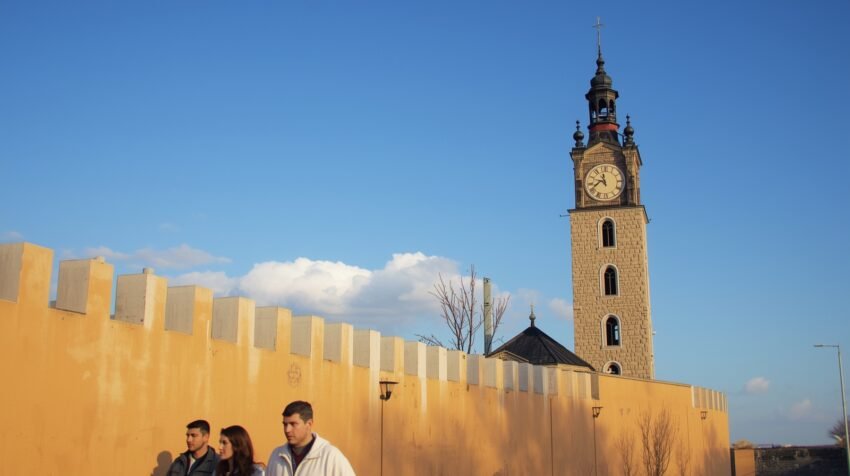
Time in Romania is very important if you are planning to travel, work, or talk with someone living in this beautiful country. Knowing the time in Romania can help you plan your day better, avoid confusion, and make sure you do not miss calls, meetings, or flights. Romania is located in Eastern Europe, and the time there can be different from the time in your country. People often ask what time in Romania is compared to other countries, and understanding this is easy once you know the time zone and how daylight saving works. Romania follows Eastern European Time, and during some months, it uses daylight saving to make better use of sunlight. This means the time changes by one hour in spring and autumn. Many travelers and remote workers need to know Romania’s current time, especially if they are scheduling calls or online meetings with Romanian companies or friends. Romania has cities like Bucharest, Cluj-Napoca, and Timișoara, and the time is the same across the country because it follows one standard time zone. Knowing the exact time in Romania is also important for online shopping, banking, and international business. If you are watching TV shows, playing online games, or attending virtual events from Romania, having the correct time will help you join on time without missing anything. Romania’s time is also affected by its location near countries like Bulgaria, Hungary, and Ukraine, and knowing the time difference can make travel and communication smoother. In general, Romania is two hours ahead of Coordinated Universal Time (UTC+2) during standard time and three hours ahead (UTC+3) when daylight saving is in effect. This knowledge helps travelers plan flights, hotel check-ins, and sightseeing activities efficiently.
Eastern European Time and Daylight Saving
Romania follows Eastern European Time (EET) as its standard time zone. EET is two hours ahead of Coordinated Universal Time (UTC+2). During the summer months, Romania follows daylight saving time, known as Eastern European Summer Time (EEST), which is three hours ahead of UTC (UTC+3). Daylight saving starts on the last Sunday in March and ends on the last Sunday in October. During this period, clocks move one hour forward in spring and one hour back in autumn. Daylight saving helps people make better use of natural sunlight, reduces energy consumption, and aligns working hours with daylight.
For tourists and travelers, knowing when Romania changes the clocks is essential. Missing the daylight saving change can lead to confusion with transportation schedules, business meetings, or event timings. Travelers should check Romania’s time using online tools, apps, or their device settings to avoid mistakes. Businesses working with Romanian clients also need to adjust their schedules according to daylight saving changes.
Time in Major Romanian Cities
All cities in Romania follow the same time zone, which makes planning easier. Bucharest, the capital, is the main hub for business, transportation, and international connections. Cluj-Napoca, a large city in the northwest, also follows the same time. Timișoara, in the western part of the country, follows EET and EEST like the rest of Romania. Knowing the local time in these cities is helpful for tourists who plan to visit multiple locations.
Online meetings, webinars, and virtual events often use Bucharest time as the reference. Travelers arriving by train or bus must also consider the local time to reach destinations on schedule. Romania’s time is consistent across the country, which makes scheduling much easier compared to countries with multiple time zones.
Time Difference With Other Countries
Time in Romania is different from other countries, and knowing the difference is important. Romania is usually two hours ahead of London, United Kingdom, and seven hours ahead of New York, USA, during standard time. During daylight saving, the difference may increase by one hour. Travelers and businesses should always check the time difference before scheduling calls or flights.
For people working remotely with Romanian companies, knowing the time difference helps in attending meetings at the right hours. Online events, international conferences, and virtual classes also depend on accurate knowledge of Romania’s time. Apps and online converters can quickly show the time difference between Romania and your location.
Checking Time in Romania Easily
There are many ways to check the time in Romania. Smartphones and computers automatically update time based on location settings. Online websites and apps also provide current local time in Romania. Google search, world clock apps, and time zone websites are simple ways to stay updated. Travelers can also check Romania’s time using GPS-enabled devices.
Knowing the exact time is important for business, travel, communication, and entertainment. Romania’s time is simple to track because the entire country follows the same time zone, and daylight saving changes are consistent every year.
Importance of Time in Romania for Travelers
For tourists, knowing the time in Romania helps in planning sightseeing, transportation, and cultural activities. Train and bus schedules follow local time strictly, so arriving on time is necessary. Many festivals, events, and tours in Romania start at specific times, and knowing the local time ensures you do not miss them.
Flights to and from Romania also require accurate knowledge of time. Airlines use local time to schedule departures and arrivals. Travelers can avoid confusion by adjusting watches or devices according to Romania’s current time.
Time in Romania for Businesses and Remote Work
Time in Romania is important for international businesses and remote workers. Online meetings, calls, and deadlines depend on accurate timing. Businesses must consider Romania’s standard time and daylight saving time to coordinate schedules with clients or partners abroad.
Remote workers collaborating with Romanian teams must be aware of Romania’s local time to join meetings on time. Using apps and online tools to track Romania’s time makes work more efficient. Knowing Romania’s time also helps with email responses, virtual conferences, and online project deadlines.
Cultural and Daily Life Impact
Time in Romania affects daily life, cultural events, and local activities. Shops, offices, schools, and public services follow Romania’s local time. Festivals and events have specific starting times, making punctuality important. Prayer times, local television schedules, and social events are also based on the local time.
Understanding time in Romania ensures that tourists, workers, and residents can follow daily routines smoothly. Accurate knowledge of time allows people to enjoy cultural experiences, attend events, and communicate without confusion.
Romania Time for Students and Online Learning
Students attending Romanian universities or online classes must be aware of local time. Virtual lectures, assignments, and exams follow Romania’s schedule. Students from other countries should adjust their time to match Romania’s local time to participate effectively. Online learning platforms often display times in Romania’s local time zone, making it important for accurate planning.
Online Shopping and Services
People ordering products or using online services from Romania must consider local time. Delivery updates, customer support, and service hours are all based on Romania’s time. Accurate knowledge of local time helps in receiving packages, contacting businesses, and using online platforms efficiently.
Sports and Entertainment
Sports fans following Romanian football leagues, tennis matches, or other events must check the local time. Many events are broadcast live based on Romania’s time. Fans watching online or traveling to Romania to attend events must plan according to the schedule. Television programs, concerts, and cultural shows also follow local time, ensuring viewers and attendees do not miss important moments.
Tools to Track Time in Romania
Several tools help track Romania’s time. World clock apps, Google search, and smartphone settings can display the current local time. Online time converters show differences between Romania and other countries. Travelers, remote workers, and international businesses benefit from these tools for accurate planning.
Daylight Saving Tips
Romania follows daylight saving time, which affects clocks twice a year. Moving clocks forward in spring and back in autumn can confuse travelers or workers unfamiliar with the change. Checking online or adjusting devices ensures that you stay on schedule. Understanding daylight saving also helps with international communication and travel planning.
Conclusion
Time in Romania is essential for travel, business, education, and daily life. The country follows Eastern European Time and adjusts for daylight saving. Knowing the time in Romania helps tourists, remote workers, students, and international businesses plan their schedules efficiently. Accurate knowledge prevents confusion and ensures punctuality for events, flights, and meetings.
FAQs
What is the current time in Romania?
The current time in Romania can be checked using smartphones, computers, or online tools. Romania follows Eastern European Time (EET) or Eastern European Summer Time (EEST) during daylight saving.
Does Romania follow daylight saving time?
Yes, Romania moves clocks one hour forward in spring and one hour back in autumn. Daylight saving starts on the last Sunday of March and ends on the last Sunday of October.
Are all cities in Romania in the same time zone?
Yes, all cities in Romania follow the same time zone, making planning easier across the country.