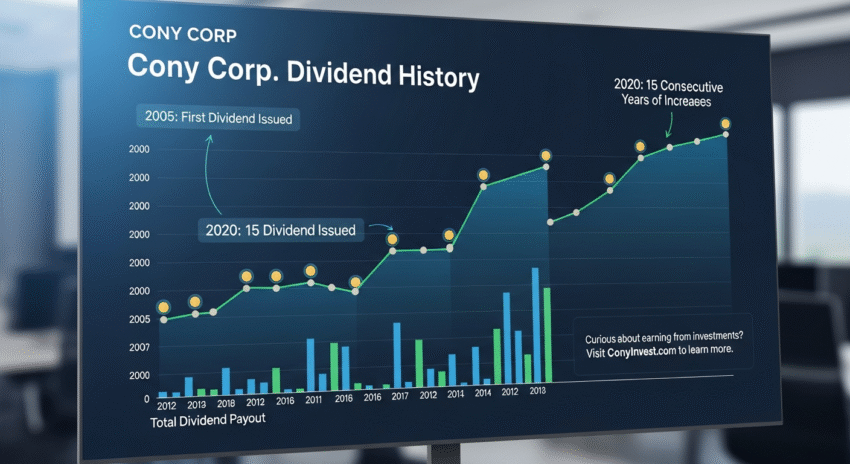
Cony dividend history shows how this company has rewarded its shareholders over the years. If you are curious about earning from investments, understanding cony dividend history is very important. By looking at past dividends, you can see how often Cony paid its investors and how much they received. This helps you predict potential earnings in the future. Investors use dividend history to make smart choices about buying or holding stocks. Cony’s approach to dividends reflects its financial health and stability. Companies that give consistent dividends are often considered safe and reliable for long-term investors. Tracking cony dividend history also gives insight into the company’s growth and how it shares profits with shareholders. Knowing this history can help both new and experienced investors plan their investment strategy wisely.
Over the past several years, Cony has shown a mixed but steady pattern in dividend payments. By reviewing cony dividend history, we can see the changes in payment amounts, frequency, and trends during different market conditions. Some years show higher dividends when profits were strong, while in tougher times, payouts were lower. This history also highlights the company’s commitment to rewarding shareholders even in challenging periods. Investors often look at dividend consistency as a measure of trustworthiness and financial planning. For long-term investors, understanding cony dividend history is not just about numbers; it’s about knowing how the company values its shareholders. Tracking these trends can help investors decide when to buy, hold, or sell shares to maximize returns. Studying the past payments also gives a clear picture of the company’s growth trajectory and financial health.

Cony Dividend History: A Complete Guide for Investors
Cony dividend history shows how this company has rewarded its shareholders over the years. If you are curious about earning from investments, understanding cony dividend history is very important. By looking at past dividends, you can see how often Cony paid its investors and how much they received. This helps you predict potential earnings in the future. Investors use dividend history to make smart choices about buying or holding stocks. Cony’s approach to dividends reflects its financial health and stability. Companies that give consistent dividends are often considered safe and reliable for long-term investors. Tracking cony dividend history also gives insight into the company’s growth and how it shares profits with shareholders. Knowing this history can help both new and experienced investors plan their investment strategy wisely.
Over the past several years, Cony has shown a mixed but steady pattern in dividend payments. By reviewing cony dividend history, we can see the changes in payment amounts, frequency, and trends during different market conditions. Some years show higher dividends when profits were strong, while in tougher times, payouts were lower. This history also highlights the company’s commitment to rewarding shareholders even in challenging periods. Investors often look at dividend consistency as a measure of trustworthiness and financial planning. For long-term investors, understanding cony dividend history is not just about numbers; it’s about knowing how the company values its shareholders. Tracking these trends can help investors decide when to buy, hold, or sell shares to maximize returns. Studying the past payments also gives a clear picture of the company’s growth trajectory and financial health.
Understanding Cony Dividend History: What It Means for Investors
Cony dividend history is more than just a record of payments. It reflects the company’s strategy, stability, and profitability. By studying dividend history, investors can understand how the company manages profits and whether it shares them consistently with shareholders. A strong dividend history often attracts more investors, which can support stock price stability. Conversely, irregular or declining dividends can indicate financial challenges or a shift in business strategy. Knowing the history helps investors plan whether to invest for short-term gains or long-term growth. Cony dividend history is a window into how this company has performed over time and how it treats its shareholders.
How Often Has Cony Paid Dividends Over the Years?
Cony has maintained a fairly consistent schedule of dividend payments in the past. Typically, dividends are paid quarterly, semi-annually, or annually depending on the company’s financial policies. By looking at cony dividend history, you can see that certain years had higher payouts due to strong earnings, while other years had lower dividends. Frequency and consistency are key indicators of financial health. If dividends are paid regularly, it shows that the company is committed to its shareholders and has stable profits. Investors who rely on dividend income prefer companies with predictable payment schedules.
Cony Dividend Trends: Yearly Insights

Examining cony dividend history year by year gives investors a clear picture of performance. Some years show steady growth in dividends, which may reflect expanding revenue or profits. Other years may see smaller increases or stable dividends, often during economic slowdowns or market challenges. These trends help investors understand the company’s approach to balancing growth and rewarding shareholders. For example, a gradual increase in dividends over several years can indicate confidence in long-term profitability. Understanding these patterns is crucial for planning investment strategies, especially for those who depend on dividends as a source of income.
Why Dividend History Matters in Stock Investing
Dividend history is one of the most important factors for investors when choosing stocks. A consistent dividend record reflects stability, reliability, and commitment to shareholders. By analyzing cony dividend history, investors can assess whether the company is financially sound and capable of maintaining payouts even during tough times. Dividend history also provides insight into the company’s management decisions and priorities. For long-term investors, knowing dividend patterns can help plan income, reinvestment strategies, and portfolio growth. Simply put, dividend history tells a story about how the company shares profits with its investors.
Cony Dividend Patterns During Market Changes
Market conditions directly affect a company’s dividend payouts. Cony dividend history shows that dividends may fluctuate based on market performance, profits, and business strategy. During periods of economic growth, the company may offer higher dividends. Conversely, during economic slowdowns or unexpected challenges, payouts may reduce or remain stable to maintain financial security. By understanding these patterns, investors can make informed decisions about when to invest or adjust their holdings. Studying dividend history in relation to market trends gives a deeper insight into the company’s resilience and planning.
How to Use Cony Dividend History to Make Smart Investments
Investors can use cony dividend history in multiple ways to make smarter investment choices:
- Predicting Future Earnings: Past dividend trends give an idea of what to expect in future payouts.
- Planning Investment Timing: By understanding when dividends are paid, investors can plan purchases for maximum returns.
- Assessing Stability: Regular dividends show a reliable company, ideal for long-term investments.
- Evaluating Financial Health: Changes in dividend amounts may reflect profit fluctuations or company priorities.
By analyzing cony dividend history carefully, investors can reduce risks and increase potential returns from their investment.
Future Predictions Based on Cony Dividend History
While past performance does not guarantee future results, cony dividend history provides a useful guide. Consistent payouts suggest that Cony is likely to continue rewarding shareholders in the future. Investors can look at trends, such as gradual growth or stable payments, to make reasonable predictions. Future expectations also depend on market conditions, company profits, and strategic decisions. By keeping an eye on dividend history, investors can better anticipate changes and plan their investments accordingly.
Tips for Long-Term Investors: Learning from Dividend History
- Track Consistency: Choose companies that have a steady dividend history.
- Compare with Industry: See how Cony’s payouts compare with similar companies.
- Reinvest Dividends: Reinvesting dividends can increase long-term returns.
- Watch Market Trends: Understand how economic conditions affect dividends.
- Review Annual Reports: Company reports often explain dividend policies and future plans.
By following these tips, long-term investors can make better use of cony dividend history to build wealth steadily.

Conclusion
Cony dividend history shows a commitment to shareholder rewards and provides insights into company performance. Regular and predictable dividends reflect financial stability, while fluctuations highlight market sensitivity. Investors can use this information to plan investments, predict future income, and assess company health. Studying dividend history is not just about looking at numbers; it is about understanding a company’s priorities, resilience, and long-term strategy.
FAQs
Q1: What is Cony dividend history?
A1: Cony dividend history is a record of all dividend payments the company has made to its shareholders over the years. It shows how much and how often dividends were paid.
Q2: Why is dividend history important for investors?
A2: Dividend history helps investors understand a company’s financial health, predict future payouts, and make informed investment decisions.
Q3: How often does Cony pay dividends?
A3: Cony typically pays dividends quarterly, semi-annually, or annually, depending on its financial policies and market conditions.
Q4: Can past dividends predict future performance?
A4: While past dividends do not guarantee future results, they provide valuable insights into trends and company stability.
Q5: How can investors use Cony dividend history?
A5: Investors can use it to plan investment timing, assess stability, predict future income, and make long-term financial decisions.