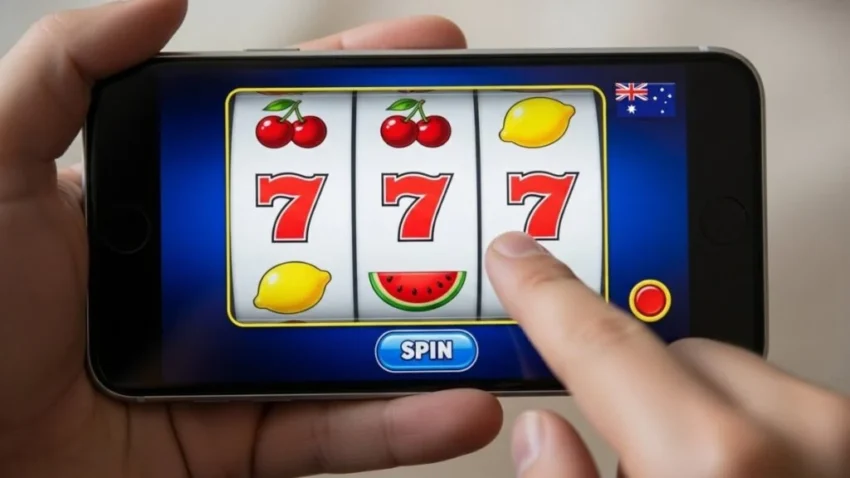
Slot games are no longer defined only by themes and symbols; they are increasingly distinguished by pace, with some titles built for rapid, high‑intensity outcomes and others tuned for long, measured sessions. The choice between short, punchy games and slower, low‑volatility options fundamentally changes how bankroll, emotion, and time interact, so understanding this contrast is crucial before deciding which pattern genuinely answers a player’s needs. When pace is treated as a strategic variable rather than a cosmetic preference, players can align game selection with specific goals instead of drifting into formats that quietly undermine their limits.
What Defines A Short, Fast-Resolving Slot Game?
Short‑session slots are designed to deliver outcomes quickly, often through simple mechanics, rapid spin cycles, and high‑impact bonus features that resolve within seconds. These games typically minimize animation delays and decision complexity so that each unit of time contains more completed spins, which intensifies both engagement and the rate at which bets translate into results.
Because many fast‑play titles lean toward higher volatility, players experience longer stretches of losses or small hits punctuated by occasional large payouts. That structure makes short sessions feel dramatic but also compresses risk, meaning that a few minutes of play can move a bankroll further than an hour on a slower, more forgiving machine.
How Longer-Session Slots Create A Different Experience
Long‑session slots usually rely on low to medium volatility, where wins arrive more frequently but in smaller amounts, allowing playtime to stretch across many more spins for the same overall stake. Game design often includes more elaborate animations, bonus build‑ups, or gradual progression features, which trade raw pace for a sense of continuity and rhythm within a session.
The effect is that bankroll swings are smoother, and players can remain in a stable zone for longer, adjusting bets and evaluating how the game feels over hundreds of rounds. For risk‑averse or entertainment‑focused users, this trajectory offers more opportunities to pause, reconsider, or stop ahead, instead of confronting abrupt highs and lows after only a handful of spins.
Volatility, Pace, And Bankroll: How They Interact
Volatility determines how uneven win distribution is, while pace controls how quickly that volatility is realized; together, they define the financial texture of a slot session. High‑volatility, fast‑spinning games cycle through losing stretches faster, increasing the probability that a small bankroll will be exhausted before a big hit appears.
In low‑volatility, slower titles, the same theoretical Return to Player can unfold over a much longer timeline because frequent modest wins act as partial refunds that keep balance erosion gradual. This interaction explains why two games with similar RTP can feel radically different in practice: the path to the average matters at least as much as the number itself when planning realistic session lengths.
Bankroll Management: Matching Game Speed To Financial Constraints
From a bankroll management perspective, game speed and volatility should be chosen after deciding how much of the roll can be risked in a single session. Practical guidelines often suggest keeping at least 100 to 400 bets in reserve depending on volatility, with the higher end aimed at surviving the deeper downswings typical of aggressive games.
In fast, volatile slots, using a stake that represents too large a slice of the bankroll shortens the number of meaningful decision points before ruin, effectively turning the session into a small set of high‑risk wagers. Slower, low‑volatility games make it easier to apply structured rules—such as risking only 1–2% of the bankroll per session—because the number of spins is high enough for those rules to matter.
Conditional Scenarios: When Fast Or Slow Makes More Sense
Different real‑world situations call for different combinations of pace and variance, and thinking in scenarios helps clarify which style truly fits the moment. For example, a player with limited time but a high tolerance for swings might logically gravitate toward a fast game that condenses many outcomes into a short window, accepting the heightened risk for the sake of intensity.
Conversely, someone treating slots as a background activity over an evening or weekend will usually benefit from lower volatility and measured pacing, so that the bankroll stretches across hours rather than minutes. A third scenario involves promotion clearing or wagering requirements, where a high volume of spins at controlled stakes on low‑volatility titles can sometimes manage risk better than a small number of all‑or‑nothing bursts.
Player Psychology: Why Pace Changes Decision Quality
Fast‑finish games exploit the human tendency to respond more strongly to frequent feedback cycles, making it easier to chase losses or escalate stakes after short bursts of negative outcomes. The compressed timing between spin, result, and next decision leaves less space for reflection, which increases the chance of emotional choices that ignore pre‑set limits.
Slow‑burn slots, by spreading outcomes and including more visual or narrative interludes, naturally insert pauses where players can check balances, track session length, or recognize fatigue. While slower games do not eliminate risk, their tempo generally supports more deliberate decision‑making, which matters when the goal is controlled entertainment rather than adrenaline.
How UFABET Illustrates Cross-Product Pace Decisions
In multi‑product environments where players move between sports betting and casino games, the way different formats interact can shape how “fast” or “slow” a gambling session feels overall. When a bettor monitors ongoing sports wagers that resolve over hours, but fills gaps with quick slot rounds, the combined pace can oscillate between long periods of waiting and bursts of rapid outcomes that test emotional stability. Within that context, a betting destination such as UFA747 demonstrates how a unified balance and shared interface can encourage users to think holistically about risk exposure, comparing the slow, information‑driven nature of sports positions with the much more compressed risk cycle of fast slots before increasing stakes or extending playtime.
Access And Interface: Where casino online Choices Matter
The practical experience of “fast” versus “slow” gameplay is also shaped by how casinos present their titles, label volatility, and structure default spin speeds. Some operators group games under filters like “instant win” or “low volatility,” making it easier to select titles that match a desired pace without needing deep technical knowledge. In this landscape, a casino online website that clearly exposes spin duration options, auto‑play limits, and volatility indicators enables players to actively choose between rapid‑fire sessions and extended, lower‑intensity play instead of drifting into settings pre‑selected by the game.
Who Benefits Most From Each Style?
Fast‑finish slots tend to appeal to players who prioritize intensity, can tolerate sharp bankroll swings, and treat sessions as brief, self‑contained bursts rather than long narratives. These users may accept a higher probability of leaving quickly with a loss in exchange for the occasional dramatic win and a constant sense that “something big could happen on the next spin.”
Long‑session games suit those who value time on device, controlled variance, and the ability to experiment with stake sizes and stop‑loss rules within a single, extended sitting. For newer or more cautious players, this environment provides a gentler learning curve and more room to build practical habits—tracking outcomes, adjusting stakes, and recognizing when a session’s tone signals it is time to cash out or step away.
Summary
The distinction between short, fast‑resolving slots and slower, session‑oriented games arises from deliberate choices in volatility, pace, and feedback design, not just visual styling. Fast games concentrate risk and emotion into brief windows, rewarding thrill‑seekers with high‑intensity swings but demanding larger buffers and stricter self‑control to avoid rapid depletion. Long‑session slots, by contrast, trade spectacle for longevity, aligning better with structured bankroll management and players who want extended entertainment, making the “right” choice less about which format is superior and more about which rhythm matches an individual’s resources, temperament, and reasons for playing.