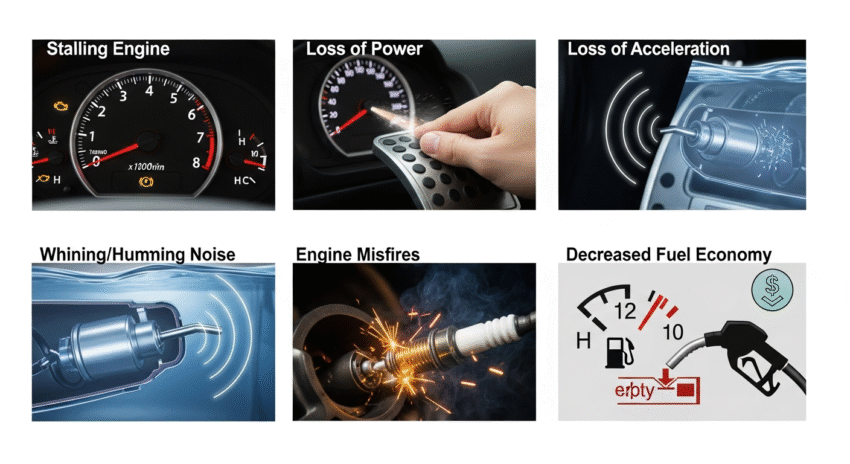
Signs of a bad fuel pump can appear in many ways, and noticing them early can save you from costly car repairs. A fuel pump is an essential part of your vehicle’s engine system because it moves fuel from the tank to the engine. When the pump starts failing, your car may struggle to start, stall while driving, or make unusual noises. Some drivers ignore these signs, thinking it’s just a small issue, but a failing fuel pump can eventually leave you stranded on the road. You might also notice poor acceleration or a drop in fuel efficiency. Understanding the common signs of a bad fuel pump helps you take quick action and avoid bigger problems. Paying attention to your car’s behavior and acting early can keep your vehicle running smoothly and extend its life.
Detecting signs of a bad fuel pump is easier if you know what to look for. One common sign is a whining noise coming from the fuel tank, which can mean the pump is struggling to work. Another warning is engine sputtering, especially when driving at high speeds or climbing hills. If your car is hard to start or stalls unexpectedly, it could also indicate fuel pump issues. Some drivers notice sudden drops in fuel pressure, which can cause the engine to misfire or lose power. Other signs include poor acceleration, unusual smells of gasoline, or the check engine light turning on. By identifying these problems early, you can prevent a complete fuel pump failure that might leave your car immobile. Regular maintenance and listening to your car’s unusual sounds are simple ways to catch these signs. Knowing these clues ensures you stay safe on the road and avoid emergency repairs.
What Are the Common Signs of a Bad Fuel Pump?
A bad fuel pump usually shows several clear signs. The most common one is difficulty starting your car. If the engine cranks slowly or takes several tries to start, the fuel pump may not be delivering fuel properly. Another sign is engine sputtering, especially under stress like driving on a hill or at highway speeds. You may also notice stalling when your car is idling or suddenly losing power while driving. Poor fuel efficiency can be another indicator. Sometimes, the fuel pump will cause a whining or humming noise from the fuel tank. Recognizing these signs early helps prevent bigger engine problems and keeps your car running safely.
How a Failing Fuel Pump Affects Your Car’s Performance
When the fuel pump starts failing, it affects the entire engine performance. A weak pump cannot deliver enough fuel to the engine, which can cause misfires or hesitation during acceleration. You might feel the car struggling to maintain speed or notice uneven power delivery. In some cases, the engine might stall completely, leaving you stranded. Fuel delivery issues also impact combustion, which can cause rough idling or unusual engine vibrations. Poor fuel pump performance can even affect other components of the fuel system over time, increasing repair costs. Addressing fuel pump problems early ensures smooth performance and protects your car from further damage.
Noises and Smells That Indicate a Bad Fuel Pump
One of the easiest ways to detect a bad fuel pump is by listening and smelling. A whining or humming sound from the fuel tank is a classic sign of a failing pump. It may start soft but can get louder over time. Another sign is the smell of gasoline, which may indicate a leak or pump malfunction. Unusual engine noises or vibrations while driving can also point to fuel delivery problems. If you hear these noises or notice fuel smells, it’s important to get your car inspected immediately. Ignoring them can lead to more serious damage or a total breakdown.
Why Your Car Might Stall: Fuel Pump Problems Explained
A car stalling unexpectedly is a dangerous problem that often points to fuel pump issues. When the pump fails to deliver fuel at the correct pressure, the engine cannot run smoothly and may shut off while driving. Stalling can occur at idle, during acceleration, or when climbing hills. It may also happen in hot weather when the fuel pump overheats. Other components, like the fuel filter, can contribute to stalling, but a failing pump is a common culprit. Recognizing stalling as a warning sign allows you to get your fuel system checked before it causes an accident or leaves you stranded.
Engine Struggling to Start? Fuel Pump Could Be the Cause
Difficulty starting your car is one of the earliest signs of a bad fuel pump. When you turn the key, the engine may crank slowly or take multiple attempts to start. In some cases, it may not start at all. This happens because the pump is not supplying enough fuel to the engine. If you notice your car struggling to start, pay attention to other symptoms like stalling or unusual noises. Early diagnosis of fuel pump problems can save you time, money, and stress. Waiting too long can lead to complete fuel pump failure, which is more expensive to fix.
How to Check for a Bad Fuel Pump Safely
Checking for a bad fuel pump can be done with some simple steps, but safety is important. First, listen for unusual noises from the fuel tank when the car is running. Next, check if the engine hesitates, sputters, or stalls during driving. A fuel pressure test can confirm if the pump is delivering fuel properly. You can also monitor fuel efficiency for sudden drops. It’s best to consult a mechanic if you are unsure because fuel systems are sensitive and can be dangerous to handle. Early inspection helps you avoid complete pump failure and keeps your car running reliably.
Preventing Complete Fuel Pump Failure: Tips and Tricks
Preventing fuel pump failure is easier than dealing with it after it happens. Regular maintenance is key. Replace fuel filters on time, keep the fuel tank at least a quarter full, and avoid running your car on empty. Contaminated fuel can damage the pump, so always use clean gasoline. Listen for unusual noises and check for any changes in performance. If you notice early signs like engine sputtering or stalling, get your car inspected immediately. Taking these steps extends the life of the fuel pump and avoids costly emergency repairs.
Differences Between Minor Engine Issues and Fuel Pump Trouble
Not all engine problems are caused by a bad fuel pump. Minor issues, like dirty spark plugs or clogged filters, can produce similar symptoms. The difference is that fuel pump problems often affect multiple aspects of engine performance, like stalling, poor acceleration, whining noises, and difficulty starting. If your car has one or two minor symptoms, it might not be the pump. But if you notice several signs together, the fuel pump is likely the cause. Proper diagnosis by a mechanic ensures the correct repair and prevents unnecessary expenses.
Cost of Ignoring Signs of a Bad Fuel Pump
Ignoring signs of a bad fuel pump can be very costly. A failing pump can damage the engine, fuel injectors, and other components. If the car breaks down on the road, towing and emergency repairs add extra expenses. A simple replacement early on is much cheaper than dealing with a complete fuel system failure. Ignoring symptoms also puts your safety at risk, as stalling or power loss can cause accidents. Paying attention to early signs saves money, time, and stress while keeping your car safe to drive.
When to Replace Your Fuel Pump: Expert Advice
Fuel pumps don’t last forever, but replacing them at the right time ensures a smooth driving experience. Experts recommend replacing the pump when you notice multiple warning signs or when it reaches the end of its typical lifespan, usually around 100,000 miles. Waiting too long increases the risk of sudden failure. Regular maintenance, fuel system inspections, and listening to your car are the best ways to determine the right time for replacement. Early replacement prevents damage to other components and keeps your car reliable.
Conclusion
Recognizing signs of a bad fuel pump is essential for every car owner. Difficulty starting, engine sputtering, stalling, unusual noises, poor fuel efficiency, and fuel smells are all warning signs. By paying attention to these symptoms and taking action early, you can prevent costly repairs, extend your vehicle’s life, and stay safe on the road. Regular maintenance and fuel system checks are simple ways to keep your fuel pump in good condition. Never ignore small warning signs, because a failing fuel pump can leave you stranded and damage your engine over time.
FAQs
Q1: How long does a fuel pump usually last?
A: A fuel pump typically lasts around 100,000 miles, but this can vary based on driving habits, maintenance, and fuel quality.
Q2: Can I drive with a bad fuel pump?
A: It is not recommended. Driving with a failing fuel pump can cause stalling, poor performance, and may leave you stranded.
Q3: What causes a fuel pump to fail?
A: Common causes include running the car on low fuel frequently, using contaminated gasoline, and general wear over time.